Assessment of fundamental Knowledge is challenging because it is difficult to prepare exam while working as dentist. When you already have a busy routine clinical responsibilities, patient appointments, commuting and personal commitments it’s difficult to find time for the preparation of AFK. But this doesn’t mean you can’t prepare exam or have to give up your other responsibilities or studying late every night. In this case all you need is a realistic AFK study timetable that perfectly fits your available hours, cover all the important subjects and also includes regular revision.
However, preparing for the AFK does not mean giving up your professional responsibilities or studying late every night. What you need is a realistic AFK study schedule that fits your available hours, prioritises important subjects, and includes regular revision.
Here’s the guide that explains how working dentist can organise their study time, follow 30 days AFK study plan and use it in practical 30 day revision without any overwhelming daily routine.
Common Obstacles Dentist Face During AFK Preparation
Dentist face different challenges for the preparation of AFK exam because balancing a full-time clinical or non-clinical jobs alongside the massive syllabus of the National Dental Examining Board of Canada (NDEB) requires specific time, academic, and psychological hurdles.
Here are a few challenges candidates face:
- Severe Time Constraints : Finding proper time after a full day at the clinic and non clinical responsibilities.
- Cognitive and Physical fatigue : Concentrating on difficult subjects after full time job.
- Unplanned schedules: Managing unplanned appointments or extended working hours and other commitments.
- Rebuilding study Stamina : Missing planned sessions and difficult to rebuild study stamina.
There’s only one solution of all the obstacles and that is to build an AFK study plan around your actual availability. A proper planned focused sessions during weekdays. This can help you to maintain steady progress.
AFK Preparation: Recommended Study Hours For Working dentist
Your study preparation depends on your academic potential, your existing knowledge and preparation plan. There’s no single weekly target plan, it varies according to the candidate’s academic potential and his stamina to study consistently.
Here are three study plans you can follow anyone of it according to your potential.
| Study approach | Weekly hours | Suitable for |
|---|---|---|
| Flexible | 6 hours | Dentists with demanding clinic schedules |
| Balanced | 9–10 hours | Full-time working dentists |
| Intensive | 12–15 hours | Candidates with additional available time |
Before selecting a plan, assess your current knowledge identify the areas that requires proper attention. Do a diagnostic assessment it will help you understand the week points and also help you understand the important areas of study where you need to spend your study hours.
The only thing that can help more that setting an ambitious target is consistent preparation and effective revision.
A Realistic Weekly AFK Study Timetable for Working Dentists
While working as a full-time dentist, finding time to study is difficult. This weekly AFK study timetable will help you to make the most of your free hours without putting too much pressure on yourself.
Daily Routine for Dentists Working 9 AM to 6 PM
Consider this as an example of how you can organise your day:
| Time | Activity |
|---|---|
| 6:30–7:00 AM | Quick revision or flashcards |
| 7:00–9:00 AM | Breakfast and commute |
| 9:00 AM–6:00 PM | Clinical work |
| 6:00–7:30 PM | Commute, dinner, and rest |
| 7:30–8:15 PM | Focused AFK study session |
| 8:15–8:30 PM | Short break |
| 8:30–9:00 PM | MCQs and answer review |
| After 9:00 PM | Personal time and sleep routine |
You can adjust these timings according to your clinic hours and personal commitments. If mornings are more productive for you, move your main study session earlier rather than forcing yourself to study when exhausted.
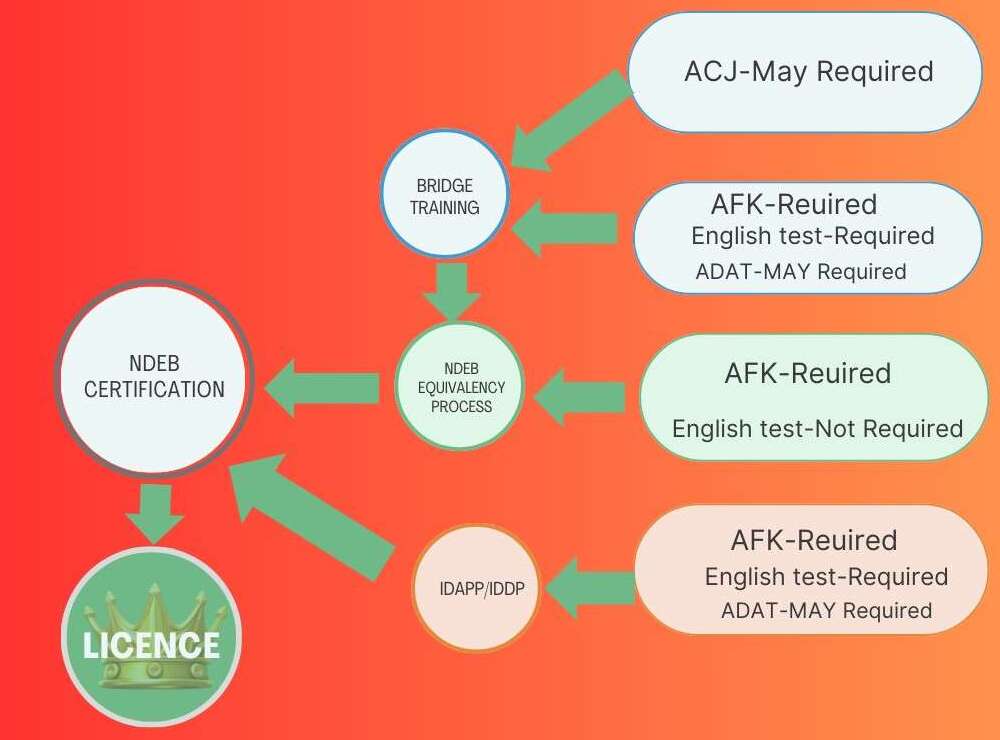
If you are still learning about the Canadian licensing pathway, read our guide on how to become a licensed dentist in Canada to understand the different steps involved.
Seven-Day AFK Exam Study Schedule
A weekly subject rotation helps prevent spending too much time on one area while neglecting others.
| Day | Study focus | Main activity |
|---|---|---|
| Monday | Biomedical sciences | Review concepts and practise MCQs |
| Tuesday | Pharmacology | Study drug classifications and related questions |
| Wednesday | Oral pathology | Revise conditions and diagnostic concepts |
| Thursday | Restorative dentistry | Review clinical concepts and MCQs |
| Friday | Weekly revision | Revisit incorrect answers |
| Saturday | Other clinical subjects | Longer study session and mixed questions |
| Sunday | Weekly consolidation | Timed practice and next-week planning |
That’s a sample timetable for working dentist who do work from 9 A.M to 6 P.M you can adjust it according to your timetable as well by some simple changes in it. This is not an official subject weighting schedule. If you do work on weekends then move the longer study sessions when you are available.
How to Prioritise AFK Subjects Without Falling Behind
Passing the AFK without falling doesn’t requires any rocket science it needs a perfect approach. An approach that is effective and reflect both the examination blueprint and your individual knowledge gaps. Studying every subject may not be an effective approach to pass AFK.
Firstly start with reviewing official NDEB AFK protocol to understand the examination format and understand basically what is AFK. Then you need to complete a diagnostic assessment to identify subjects that requires additional attention. This will give you the basic plan of how much you know about this exam and your subjects and the week subjects you are going to prepare.
For instance, if you find any subject more challenging, allocate it with more attention and revision.However do not completely ignore the remaining subjects where you perform well.
There are the steps you should follow:
- Identify stronger and weaker subjects.
- Review the official examination blueprint.
- Allocate study sessions according to subject priorities.
- Practise relevant questions after each topic.
- Reassess your progress every week.
This approach makes your AFK preparation more focused and prevents unnecessary repetition of familiar material.
A Practical 30-Day AFK Study Plan for Dentists

This 30-day AFK plan can help you organise your study to cover most of the syllabus.
Week 1
In first week start by evaluating your exam preparation. Review your previous practice results, identify difficult subjects and then organise it according to your priorities.
Main focus on:
- Revisiting essential biomedical concepts.
- Preparing difficult clinical topics.
- Regular MCQ practice.
- Creating a list of mistakes.
Week 2:
In the second week try to improve your understanding of subjects that requires more attention. Focus on important subjects like pharmacology,oral pathology, restorative dentistry and other relevant knowledge areas. Practise every topic based questions and also review the explanations behind the answers.
Week 3:
Now you have the base of preparation and in this week start combining questions from different areas instead of studying one topic.
Priorities should be:
- Mixed-subject MCQs.
- Timed practice sessions.
- Reviewing weak areas.
- Identifying repeated mistakes.
- Completing a mock examination when ready.
Week 4:
In this final week of preparation consolidate your knowledge rather than attempting to learn everything again. Revision is the core of this week. Review your errors, revisit difficult concepts, complete your timed practice and check the official exam instructions. Try to maintain routine and avoid sacrificing your sleep to complete study hours.
Make Your AFK sessions More Productive
This is how you can make your AFK sessions more productive when your availability is limited to maintain the quality of your study.
Try using a simple 45-minute study structure:
| Duration | Activity |
|---|---|
| 10 minutes | Revise previously covered material |
| 20 minutes | Study a topic or solve practice questions |
| 15 minutes | Review answers and record mistakes |
Combine this routine with active recall and spaced repetition. Instead of repeatedly reading the same notes, test your understanding and revisit difficult concepts at planned intervals.
Most importantly, do not focus only on the number of MCQs completed. Understand why an answer is correct or incorrect and use that information to guide your next revision session.
How to Stay on Track When Work Interrupts Your AFK Study Plan
Unexpected clinic appointments and busy working weeks can interrupt even a well-organised AFK study schedule. Missing a session does not mean your entire preparation plan has failed.
Instead of doubling your next day’s workload, move the missed priority task into your next available study block. Postpone less important activities if necessary and adjust your weekly goals.
Spend a few minutes every Sunday reviewing your progress:
- Which subjects did you complete?
- How many practice questions did you attempt?
- Which topics still need attention?
- What sessions did you miss?
- What should you prioritise next week?
If several weeks become consistently difficult to manage, reconsider your weekly study budget or extend your preparation timeline.
Frequently Asked Questions
How can I prepare for the AFK while working full-time?
Create a weekly timetable around your clinical hours. Use shorter weekday sessions for topic revision and MCQs, then dedicate available weekend time to longer study sessions and mixed practice.
How many hours should I study for the AFK each day?
Your daily study hours depend on your availability and preparation level. Start with a manageable routine and adjust it according to your progress rather than following an unrealistic daily target.
Can I prepare for the AFK in 30 days while working?
A 30-day plan can support focused revision if you have already covered most of the syllabus. Candidates starting from the beginning may need a longer preparation timeline.
Is a 12-week or 16-week AFK study plan better?
Neither is universally better. A 12-week plan offers a more concentrated schedule, while a 16-week plan provides additional time for revision and difficult subjects.
Should I study before or after my dental clinic shifts?
Choose the time when you can concentrate best. Morning sessions may work well for revision, while evening sessions can accommodate focused topic learning and practice questions.
How many AFK practice questions should I complete daily?
There is no universal daily question target. Choose a manageable number based on your available time and prioritise understanding the explanations and correcting mistakes.
What should I do if I miss several days of AFK preparation?
Review your unfinished tasks, identify the most important topics, and redistribute them across your remaining study sessions. Extend your preparation timeline if necessary.
When should I start taking AFK mock exams?
Begin with diagnostic questions early in preparation. Introduce timed mixed practice as your subject coverage improves, then use mock examinations to evaluate readiness and identify remaining gaps.
Final Thoughts: Build an AFK Study Timetable You Can Maintain
Preparing for the AFK while working as a dentist requires planning, consistency, and flexibility. Choose a realistic weekly study budget, prioritise subjects according to your knowledge gaps, and include regular question practice and revision. Most importantly, adjust your timetable when professional responsibilities change. A manageable AFK study timetable that fits your daily routine can help you maintain preparation without unnecessarily overwhelming your work and personal life.